
What to Expect During a Termite Inspection & Report
A professional termite inspection is a thorough assessment of your property for evidence of termite activity, termite damage and conditions that may increase the risk of termite attack. The inspection includes accessible areas of the building and relevant areas around the property.
Your Surekill technician will examine the property for signs of current or previous termite activity and identify areas where access limitations or conditions around the property may affect the inspection or termite risk.
Following the inspection, you will receive a termite inspection report detailing the findings, areas inspected, relevant observations and recommendations for termite management where required.
01
Booking Information
Inspection Duration
A termite inspection and report will typically take approximately 1.5 hours, depending on the size, construction and accessibility of the property. Larger or more complex properties may require additional time.
Booking and Arrival Window
Appointments are booked with an arrival window. For example, if your booking window is between 10:00 am and 12:00 pm, your technician may arrive at any time during that period. If the technician arrives at 12:00 pm, allow approximately 1.5 hours for the inspection.
Insurance, Licensing and Australian Standards
Surekill Pest Control is fully insured, and our pest management technicians are appropriately licensed and follow applicable EPA requirements and relevant Australian Standards when carrying out termite inspections and termite management work.
Payment Options
Payment can be made by EFT/bank transfer, cash, EFTPOS or credit card.

02
Preparing for Your Termite Inspection
Internal Access
Please ensure the technician can access all rooms and accessible areas of the building. Where practical, move stored items or furniture that may prevent access to walls, skirting boards or other areas that need to be inspected.
Roof Space Access
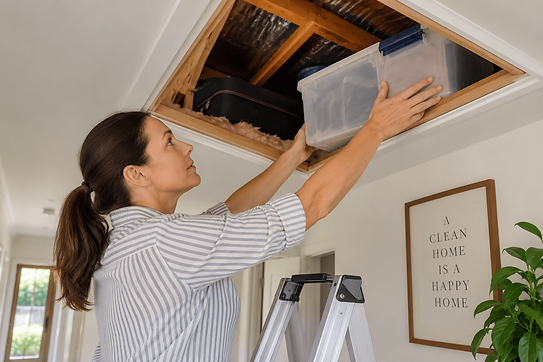
Ensure the roof space access point is clear and safely accessible. Remove belongings or other obstructions from beneath the access point so the technician can enter and exit safely.
Subfloor Access
If your property has a subfloor, ensure the access point is clear and accessible. Stored items or other obstructions around the entrance should be moved before the inspection where possible.
Previous Termite Reports and Treatments
If you have previous termite inspection reports or information about termite treatments or termite management systems at the property, have these available for your technician where possible.
Areas of Concern
Let your technician know about any areas where you have noticed suspected termite activity, termite damage or other changes that concern you. Do not disturb termite workings or spray suspected termite activity before the inspection.
Around the Property
Where practical, ensure there is reasonable access around the exterior of the building and to relevant areas such as garages, sheds, trees, tree stumps, fences and other timber structures that may need to be inspected.
03
During the Termite Inspection
Discussing the Property
Before beginning the inspection, your Surekill technician may discuss the property with you, including any previous termite activity, termite treatments, areas of concern or changes to the building that may be relevant to the inspection.
Inspecting the Building
The technician will systematically inspect accessible areas of the building for evidence of current or previous termite activity and termite damage. This may include internal areas, the roof space, subfloor where applicable, exterior walls, garages and other accessible structures.
Inspecting Around the Property
The inspection also considers relevant areas surrounding the building. Trees, tree stumps, fences, landscaping timbers and other areas that may provide termite harbourage or contribute to termite risk may be examined.
Signs of Termite Activity and Damage
Your technician will look for evidence such as termite workings and mud leads, damaged timber and other signs that may indicate current or previous termite activity.
Conditions That May Increase Termite Risk
The technician will also identify conditions that may increase the risk of termite attack or make concealed termite entry more difficult to detect. These may include excessive moisture, timber-to-soil contact, poor drainage, garden beds or soil levels against the building and other conducive conditions.
Inaccessible Areas
Some areas may not be able to be inspected because of the building construction, restricted access or other obstructions. Where applicable, these limitations will be recorded and addressed in the termite inspection report.

04
Inspection Equipment and Detection
Visual Inspection
A detailed visual inspection is an important part of the termite inspection. Your Surekill technician will look for termite workings, termite damage and other evidence that may indicate current or previous termite activity.
Sounding and Probing Timbers
Where appropriate, accessible timbers may be carefully sounded or probed to help identify areas of weakness, damage or possible concealed termite activity.
Termatrac iTraker Pro
Surekill uses the Termatrac iTraker Pro as an additional inspection tool where appropriate. It can assist the technician when investigating areas where concealed termite activity is suspected without unnecessarily disturbing the building.
Radar Detection
The Termatrac iTraker Pro uses radar technology to help detect termite movement behind building materials. This can assist the technician in investigating suspected concealed termite activity that cannot be seen during the visual inspection.
Thermal and Moisture Detection
The Termatrac iTraker Pro also provides thermal and moisture detection capabilities. These can assist the technician in identifying temperature and moisture variations and determining areas that may require closer investigation.
Camera Inspection of Wall Cavities
Where termite activity is suspected inside a wall or other inaccessible cavity, your Surekill technician may recommend using a small inspection camera to investigate the area.
With your approval, a small access hole may be drilled so the camera can be inserted into the cavity. This allows the technician to visually inspect areas that cannot otherwise be seen and may help confirm the location and extent of suspected termite activity.
If termite activity is identified, the findings can assist in determining an appropriate treatment method, which may include termite baiting, foaming or another targeted treatment.
Your technician will discuss this with you before any access hole is drilled.
Further Investigation
Inspection equipment assists the technician but does not replace a thorough visual inspection. If an area cannot be fully assessed or further investigation is required, this will be discussed with you and may be noted in the termite inspection report.

05
Your Termite Inspection Report
Inspection Findings
Following the inspection, Surekill will provide a written termite inspection report detailing the findings from the property. The report will record evidence of termite activity or termite damage identified during the inspection.
Areas Inspected
The report will identify the areas of the property that were inspected and note any areas where access was restricted or an inspection could not be completed.
Termite Activity and Damage
Where termite activity or damage is identified, this will be documented in the report. Your technician will explain significant findings and discuss whether further investigation or treatment is recommended.
Conditions That May Increase Termite Risk
The report may identify conditions around the property that could increase the risk of termite attack, such as excessive moisture, timber-to-soil contact, drainage issues, vegetation or landscaping conditions, and other factors relevant to the property.
Recommendations
Based on the inspection findings, the report will include recommendations where appropriate. These may include further investigation, treatment of active termites, installation or maintenance of a termite management system, correction of conditions that may contribute to termite risk, or ongoing monitoring.
Keeping Your Report
Keep your termite inspection report with your property records. It provides a record of the condition of the property at the time of inspection and can be useful for comparing findings at future termite inspections.

06
Termite Risk Management and Next Steps
Discussing the Findings
Your Surekill technician will discuss the significant findings from the termite inspection with you and explain any areas of concern identified at the property.
If Active Termites Are Found
If active termites are identified, avoid disturbing the termite workings or attempting to treat them yourself. Your technician will explain the treatment options considered appropriate for the location and circumstances.
Termite Management Recommendations
Based on the inspection findings and the termite risk identified at the property, Surekill can recommend an appropriate termite management plan where required. This may include treatment of active termites, a chemical soil treatment, reticulation system, termite monitoring and baiting system, ongoing inspections, management of conditions that increase termite risk, or other appropriate termite management measures.
Managing Conditions That Increase Termite Risk
Your report may recommend changes to conditions that could increase termite risk, such as moisture problems, poor drainage, timber-to-soil contact, vegetation, stored timber or landscaping around the building. Addressing these conditions forms an important part of ongoing termite management.
Regular Termite Inspections
A termite inspection provides an assessment of the property at the time of inspection. Because termite activity and conditions around a property can change, regular termite inspections remain an important part of ongoing termite management.
Your technician will advise when the next termite inspection should be carried out, taking into account the property, termite risk and findings from the inspection.
Keep Surekill Informed of Changes
Renovations, extensions, landscaping, plumbing work, excavation and other changes around the property can affect termite risk or an existing termite management system. Contact Surekill if you are unsure whether planned work could affect the termite protection at your property.
